

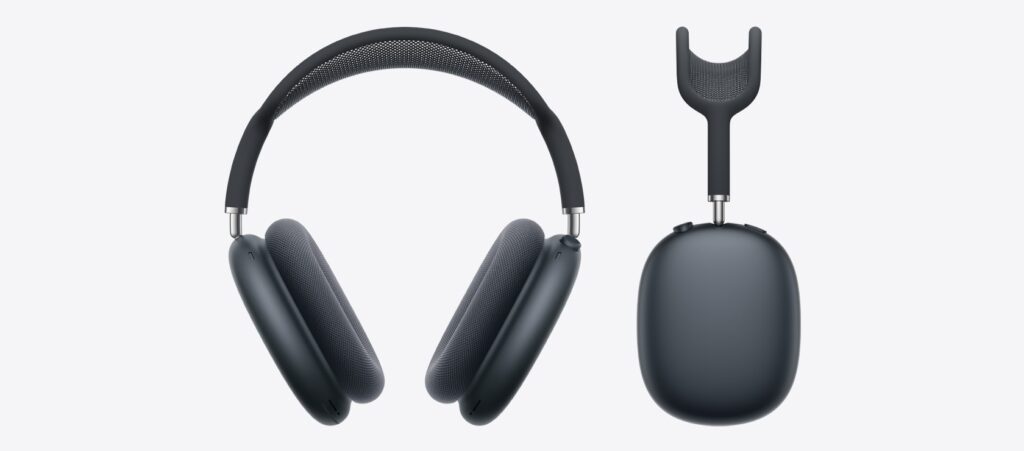
Apple AirPods Max (USB-C)
Prețul inițial a fost: 3.999,00 MDL.3.599,00 MDLPrețul curent este: 3.599,00 MDL.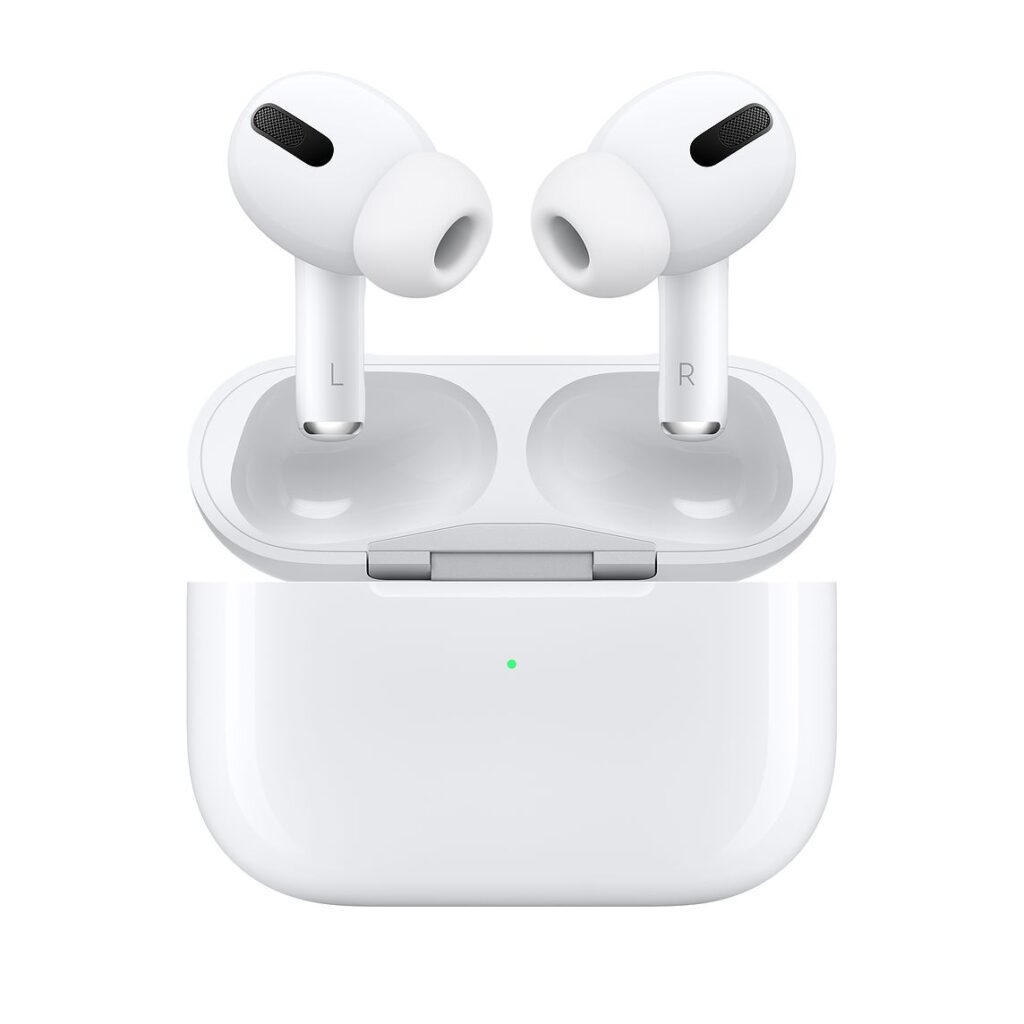
Apple AirPods Pro
Prețul inițial a fost: 5.999,00 MDL.4.399,00 MDLPrețul curent este: 4.399,00 MDL.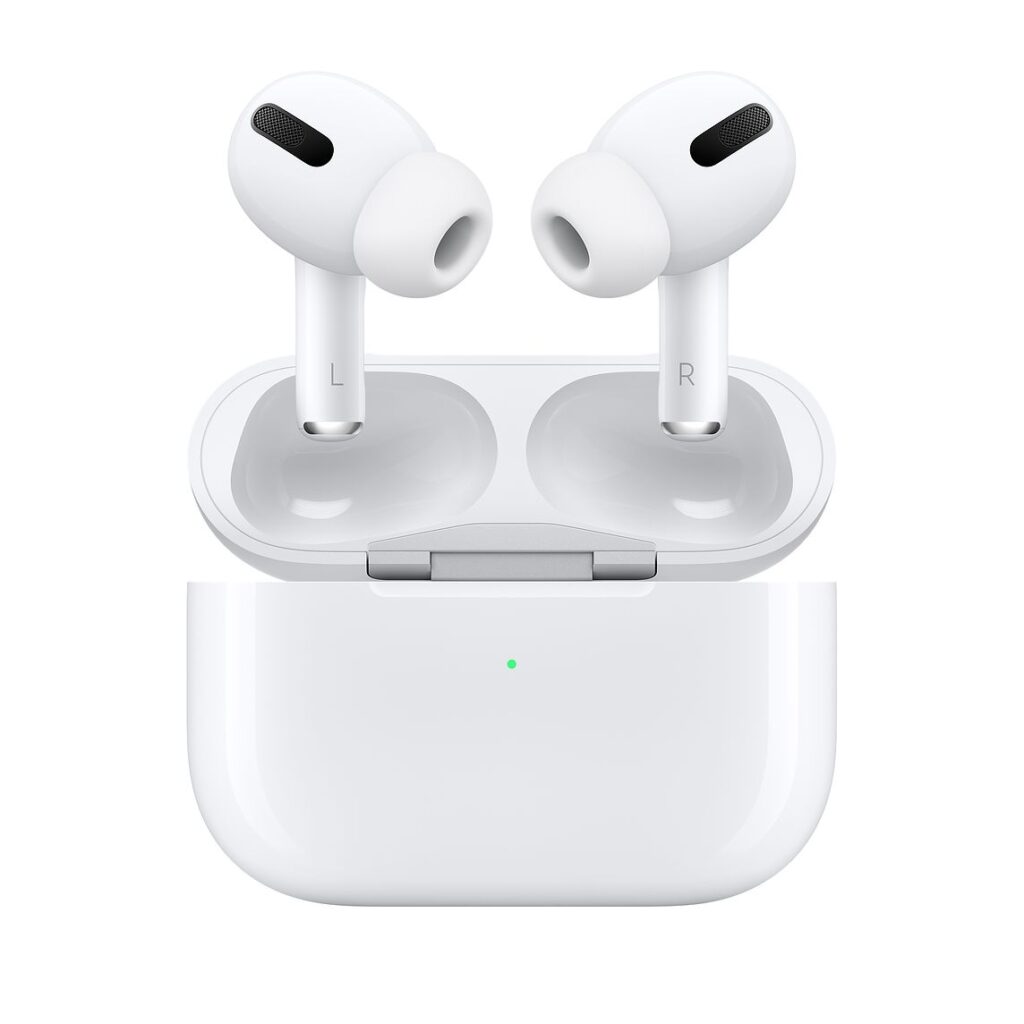
Apple AirPods Pro
Prețul inițial a fost: 5.999,00 MDL.4.399,00 MDLPrețul curent este: 4.399,00 MDL.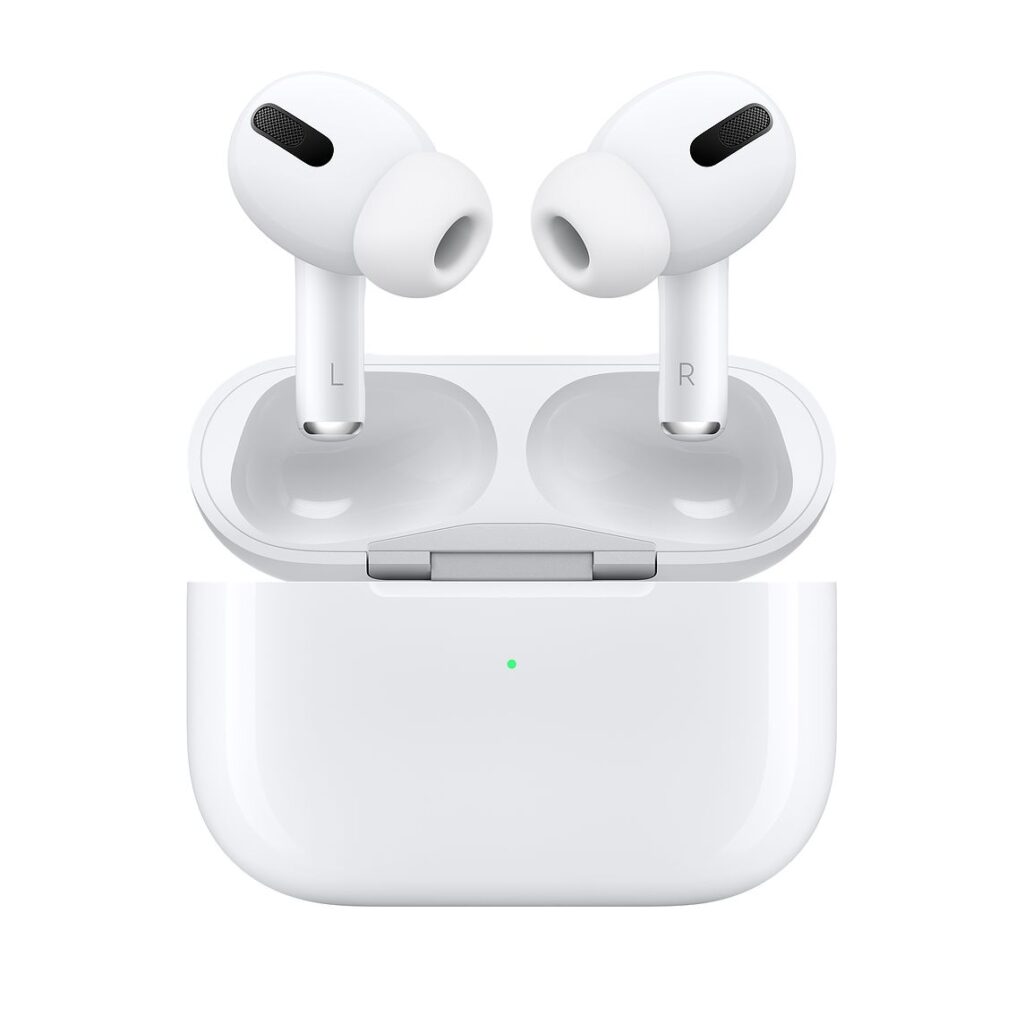
Apple AirPods PRO 2 with MagSafe Charging Case (USB-C)
Prețul inițial a fost: 5.699,00 MDL.4.499,00 MDLPrețul curent este: 4.499,00 MDL.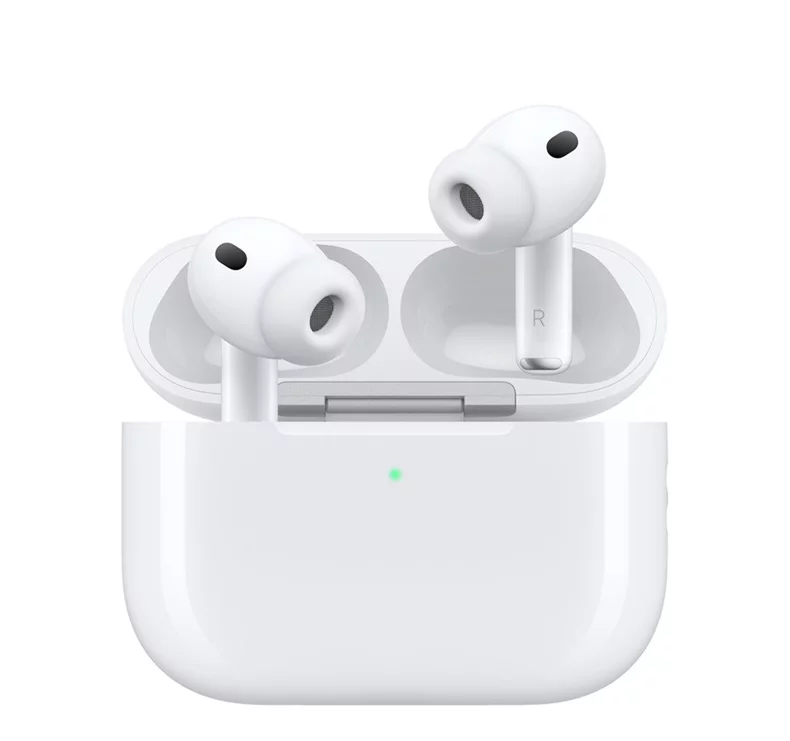
Apple Airpods Pro 3
Prețul inițial a fost: 5.999,00 MDL.5.799,00 MDLPrețul curent este: 5.799,00 MDL.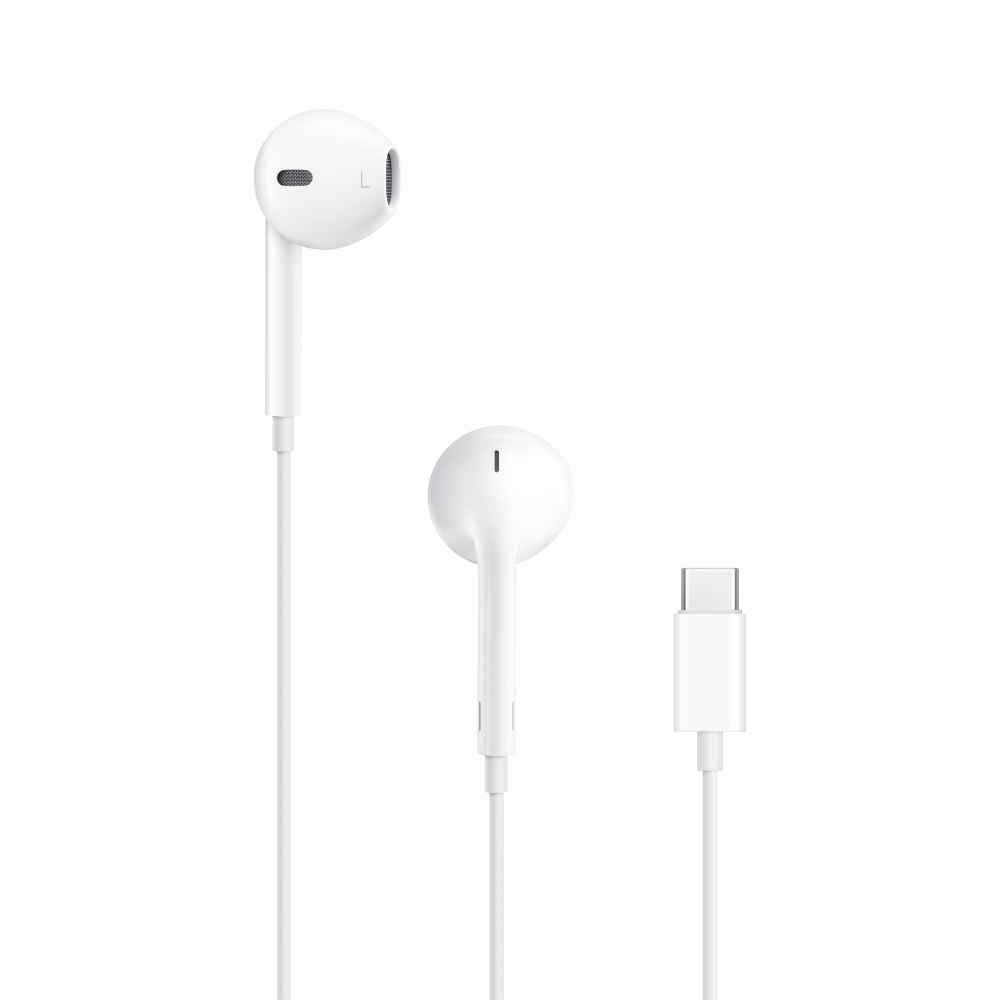
Apple EarPods Type-C
Prețul inițial a fost: 299,00 MDL.269,00 MDLPrețul curent este: 269,00 MDL.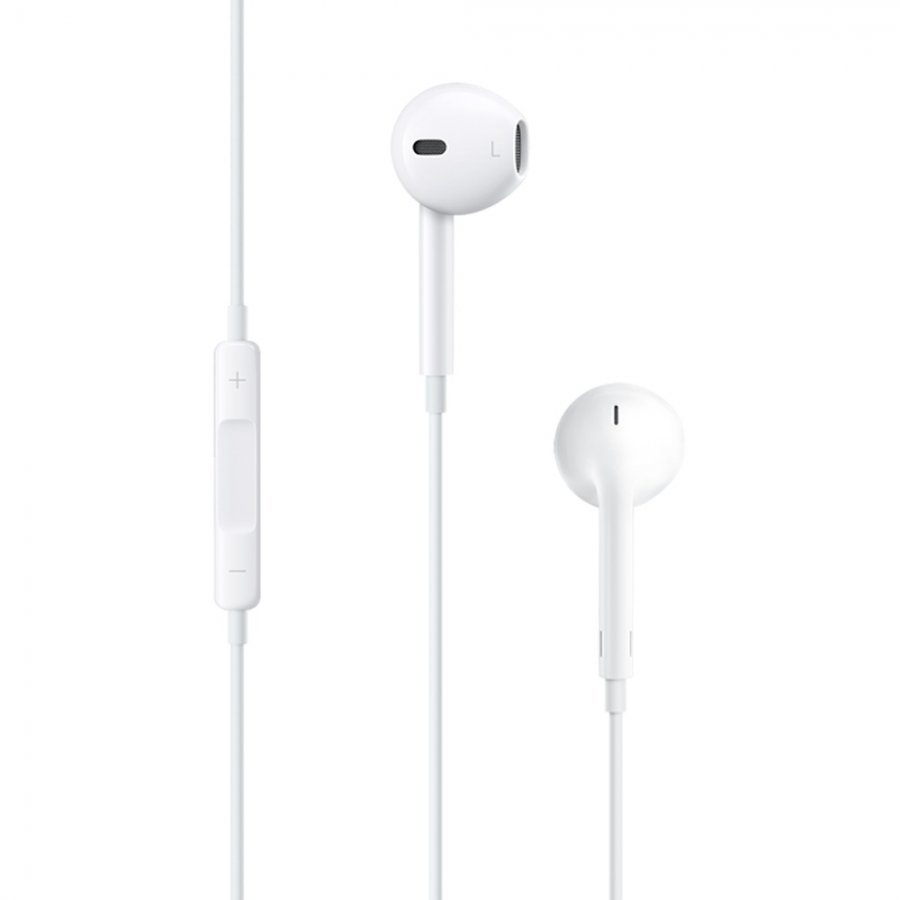
Apple EarPods with 3.5 mm Headphone Plug
Prețul inițial a fost: 349,00 MDL.299,00 MDLPrețul curent este: 299,00 MDL.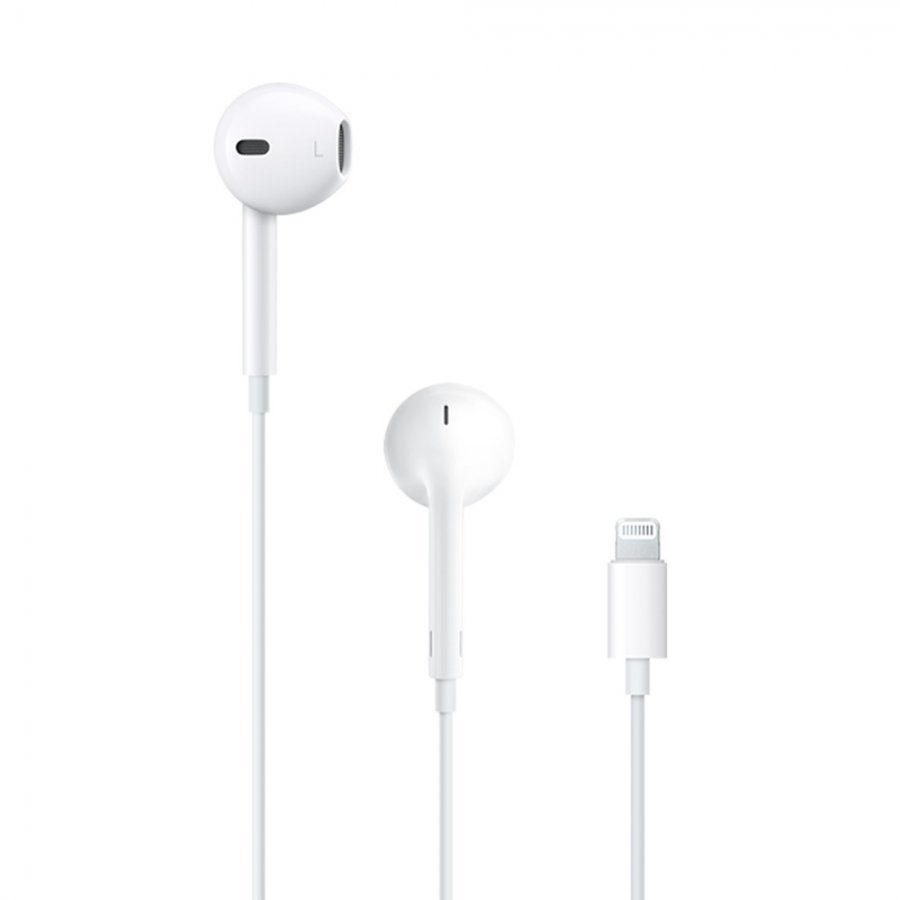
Apple EarPods with Lightning Connector
Prețul inițial a fost: 349,00 MDL.299,00 MDLPrețul curent este: 299,00 MDL.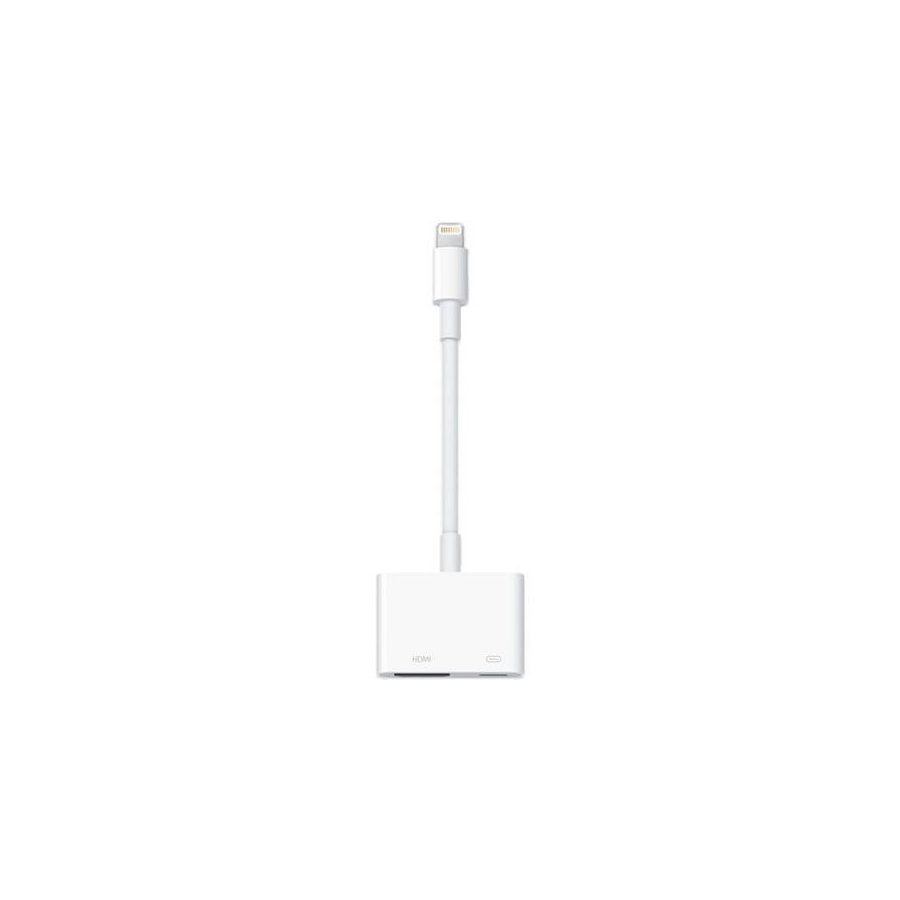
Apple Lightning Digital AV Adapter — Lightning to HDMI
Prețul inițial a fost: 1.300,00 MDL.1.099,00 MDLPrețul curent este: 1.099,00 MDL.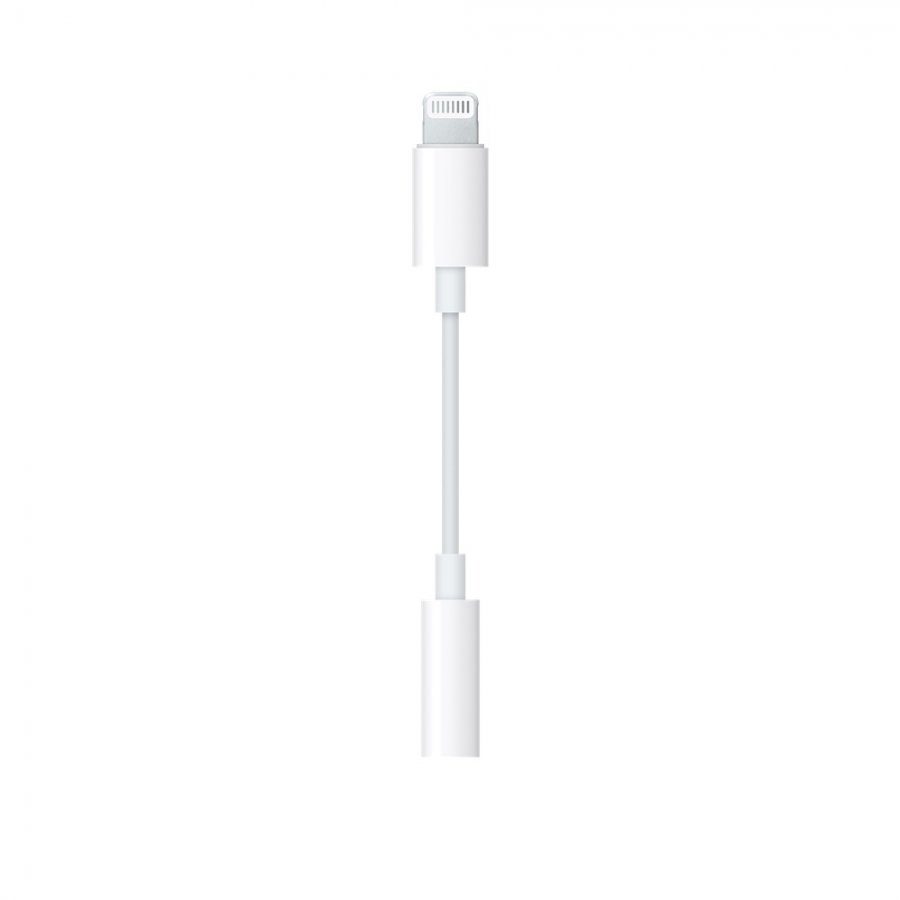
Apple Lightning to 3.5 mm Headphone Jack Adapter
Prețul inițial a fost: 649,00 MDL.549,00 MDLPrețul curent este: 549,00 MDL.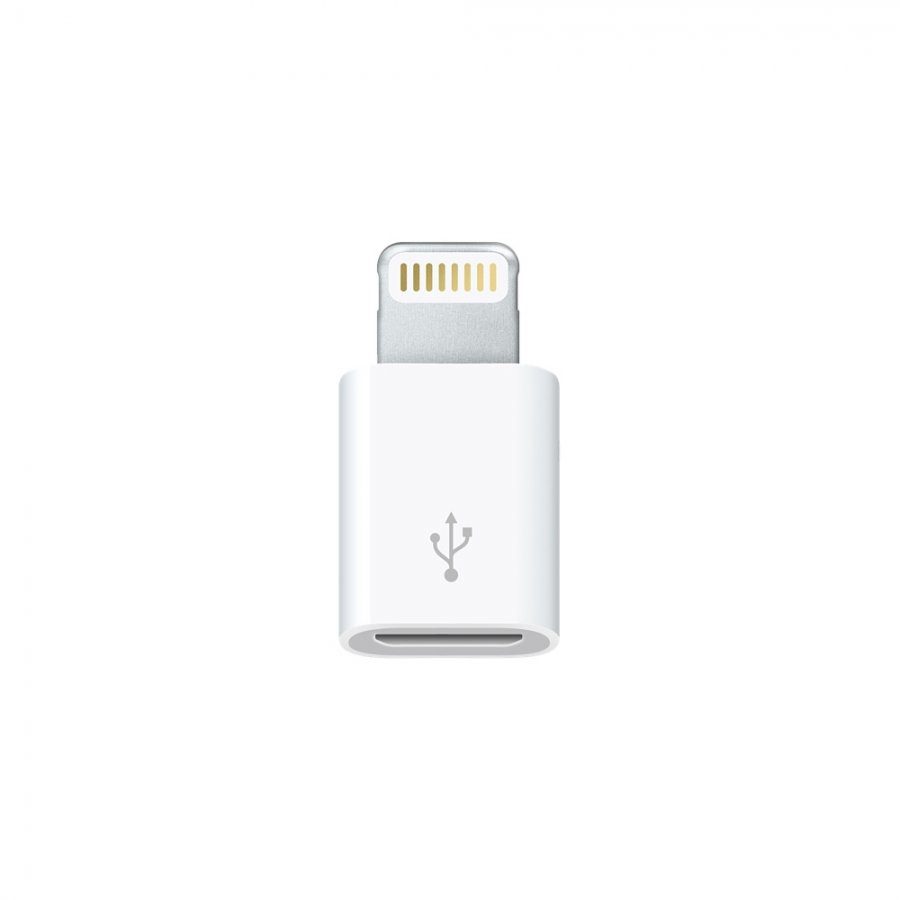
Apple Lightning to Micro USB Adapter
Apple Lightning (iPhone) Micro USB Network Аксессуары для Ноутбуков / Планшета Сумки для Ноутбука / Планшета
Prețul inițial a fost: 649,00 MDL.549,00 MDLPrețul curent este: 549,00 MDL.